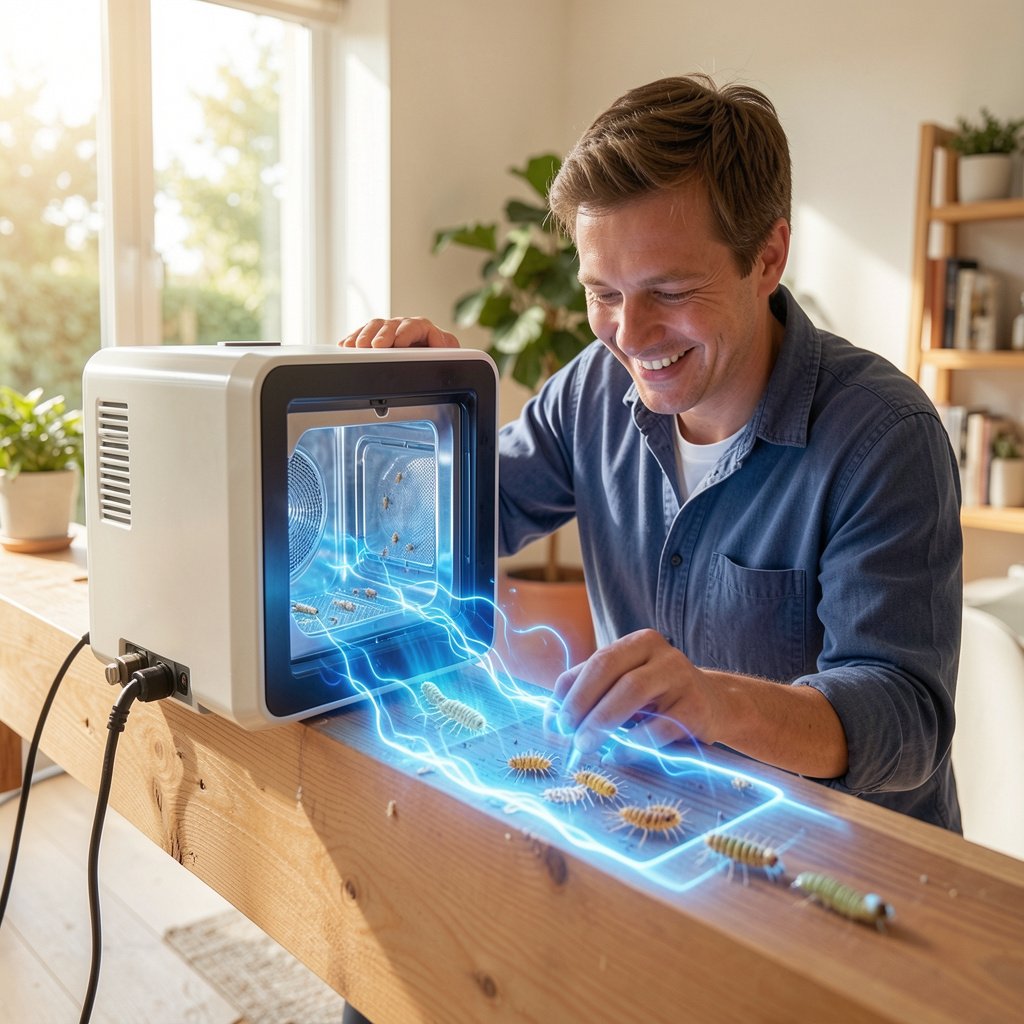
Woodworm infestations are a common problem in homes, commercial buildings, and historic properties with timber structures. Left untreated, wood-boring beetle larvae can weaken beams, flooring, furniture, and other wooden elements from the inside, often causing damage that remains hidden for years. Traditionally, pesticide-based woodworm treatments have been the standard solution. However, growing environmental awareness and advances in technology have encouraged many property owners to seek safer, more sustainable alternatives.
One of the most effective innovations is microwave woodworm treatment. Unlike conventional chemical methods, microwave technology eliminates wood-boring insects without relying on pesticides or toxic residues. Companies like Shashel are at the forefront of this eco-friendly approach, offering advanced solutions that protect timber while reducing environmental impact.
Why Traditional Pesticide Treatments Have Limitations
For decades, chemical insecticides have been used to control woodworm infestations. These products are typically applied as sprays, liquids, or preservatives that soak into the wood to kill insects and discourage future infestations.
While they can be effective in some situations, pesticide-based treatments have several drawbacks.
Limited Penetration
Most chemical products penetrate only the outer layers of timber. Since woodworm larvae often live deep inside the wood, surface treatments may not reach every active insect.
As a result, some larvae may survive and continue feeding, leading to ongoing damage.
Chemical Residues
Pesticides can leave residues within treated timber and indoor spaces. Although approved products are designed for proper use, many homeowners prefer treatment methods that avoid introducing chemicals into living or working environments.
This is particularly important in homes with children, pets, or individuals sensitive to strong chemical odors.
Environmental Concerns
Chemical insecticides can have environmental impacts if they are overused or improperly handled. Choosing methods that minimize chemical use supports more sustainable building maintenance and helps reduce unnecessary environmental contamination.
Multiple Applications
In some cases, chemical treatments require repeated applications to ensure adequate protection. This can increase both the cost and disruption associated with treating a woodworm infestation.
These challenges have encouraged professionals, including specialists using Shashel technology, to explore more effective and environmentally responsible alternatives.
What Makes Microwave Treatment Eco-Friendly?
Microwave woodworm treatment works without pesticides, fumigants, or toxic preservatives.
Instead, specially designed equipment generates controlled microwave energy that penetrates timber and heats the insects internally. Because woodworm larvae contain more moisture than dry wood, they absorb microwave energy efficiently. As their body temperature rises above a survivable level, the larvae, eggs, and pupae are eliminated.
The treatment relies on heat rather than chemicals, making it a cleaner solution for both people and the environment.
No Harmful Chemical Residues
One of the greatest benefits of microwave technology is that it leaves no pesticide residues behind.
After treatment:
- No toxic chemicals remain in the timber.
- No strong chemical odors linger indoors.
- No pesticides are released into surrounding soil or groundwater.
- No additional cleaning is typically required because of chemical contamination.
For environmentally conscious property owners, this makes microwave treatment an attractive alternative.
Companies such as Shashel continue to promote solutions that combine effective pest control with healthier indoor environments.
Effective Against Hidden Woodworms
The biggest challenge in woodworm treatment is reaching insects hidden deep inside timber.
Unlike surface-applied chemicals, microwave energy penetrates the wood and targets insects wherever they are feeding. This deep penetration improves treatment effectiveness without requiring extensive drilling or dismantling wooden structures.
By addressing the infestation at its source, Shashel microwave systems help interrupt the beetle life cycle more effectively than treatments that remain close to the surface.
Safe for Valuable Timber
Many buildings contain wooden elements that cannot easily be replaced.
Examples include:
- Historic roof beams
- Antique furniture
- Timber-framed houses
- Churches
- Museums
- Libraries
- Wooden staircases
- Decorative woodwork
Using pesticides on valuable or historic timber is not always the preferred option.
Microwave treatment provides a non-invasive alternative that preserves original materials while eliminating wood-boring insects.
This makes Shashel technology especially valuable in restoration and heritage conservation projects.
Supporting Sustainable Building Maintenance
Sustainability has become an important consideration in modern property management.
Choosing treatment methods that reduce chemical use contributes to environmentally responsible maintenance practices.
Microwave technology supports sustainability by:
- Eliminating the need for pesticides.
- Reducing chemical waste.
- Protecting indoor air quality.
- Preserving existing timber instead of replacing damaged wood.
- Supporting long-term wood conservation.
By extending the life of wooden structures, microwave treatment also helps reduce the demand for replacement timber and construction materials.
Fast and Efficient Treatment
Another advantage of microwave technology is its speed.
Chemical treatments often rely on insects contacting treated surfaces or absorbing insecticides over time.
Microwave treatment works differently.
Once the required temperature is reached, the insects are eliminated during the treatment process itself.
This allows homeowners and property managers to address infestations more quickly while avoiding repeated chemical applications.
Professionals using Shashel equipment can often treat localized infestations with minimal disruption to the surrounding property.
Suitable for Many Applications
Microwave woodworm treatment can be used in a wide variety of environments, including:
- Residential homes
- Commercial buildings
- Historic properties
- Museums
- Churches
- Schools
- Wooden furniture
- Roof structures
- Timber framing
- Heritage restoration projects
Its versatility makes it suitable for both modern buildings and centuries-old wooden structures.
Preventing Future Infestations
Although microwave treatment eliminates existing woodworms, ongoing maintenance helps reduce the likelihood of future infestations.
Good preventive practices include:
- Keeping timber dry.
- Repairing roof leaks promptly.
- Improving ventilation.
- Controlling indoor humidity.
- Inspecting wooden structures regularly.
- Monitoring vulnerable timber areas for signs of beetle activity.
Early detection allows problems to be addressed before major structural damage occurs.
Why More Property Owners Are Choosing Chemical-Free Solutions
As awareness of environmental issues continues to grow, many homeowners are looking beyond traditional pesticide-based treatments.
They want solutions that are:
- Effective
- Safe for indoor environments
- Environmentally responsible
- Suitable for valuable timber
- Long-lasting
- Non-invasive
Microwave technology meets these expectations by combining proven scientific principles with modern engineering.
Companies like Shashel continue to demonstrate that high-performance woodworm treatment does not have to rely on chemical pesticides to achieve excellent results.
Conclusion
Woodworm infestations can cause serious damage if left untreated, but modern technology now provides a cleaner and more sustainable solution than traditional pesticide-based methods.
Microwave treatment eliminates wood-boring beetles using carefully controlled heat rather than harmful chemicals. It reaches hidden larvae deep inside timber, leaves no toxic residues, preserves valuable wooden structures, and supports environmentally responsible building maintenance.